
"processing station"
2000 article(s) found
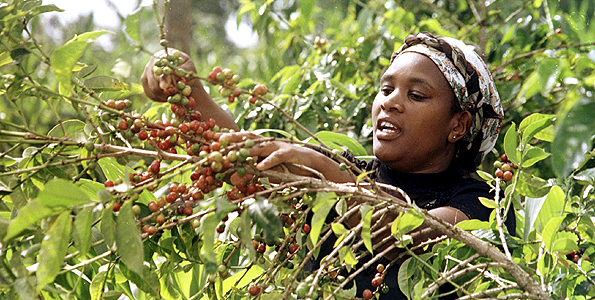
African Coffee Manor Musiui treatment Plant in the western province of Rwanda washing and treating bourbon boutique black coffee
Like many African countries, Rwandan coffee is mainly produced by small farmers, and the ripe cherry fruits are collected and sent to the processing station every year during the harvest period. During the annual harvest period, the ripe coffee berries picked by farmers are concentrated in the treatment station for treatment, first selected by hand to ensure that no immature or damaged fruit is mixed in. Then remove the peel in a cool, cold ring
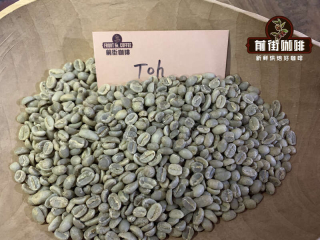
Top African coffee bean brand recommendation, 2020 coffee bean competition African champion coffee beans, top washed coffee beans introduction.
Today, I would like to recommend one of Africa's top coffee beans. It is an African champion coffee bean, Gujiulaga's TOH, which won the championship in the TOH East Africa Harvest Flavor Competition. The full name of TOH is "EastAfricaTasteofHarvestCompetitio."

History of Rwandan Coffee A brief introduction to the Origin of Rwandan Coffee
The taste of Rwandan coffee is extremely special. Rwandans have been growing coffee since colonial times, but until 1999, its products were still classified as below Class C and were not popular in the global market. The reason for the poor quality is that farmers do not have a fixed procedure for washing coffee beans and do not process coffee fruits according to specifications in time. Buyers buy coffee beans at $0.33 per kilogram, and farmers rely on low prices.

Introduction of anaerobic fermentation Coffee Bean Flavor Coffee washing Station of Ethiopian native species WushWush
Wush Wush, which originated in the small town of Wush Wush in the Ethiopia-Cafa Forest, was introduced to a small boutique coffee farm in Colombia 30 years ago. Wush Wush, like Geisha, is a native species from Ethiopia. The difference is that Wush Wush did not shine until it was brought to Colombia, with a flavor and level no less than that of high-end Rosa Coffee.

The source of washed coffee from Rwanda
Rwandans have been growing coffee since colonial times, but until 1999, its products were still classified as below Class C and were not popular in the global market. The reason for the poor quality is that farmers do not have a fixed procedure for washing coffee beans and do not process coffee fruits according to specifications in time. Buyers buy coffee beans at $0.33 per kilogram, and farmers keep warm by the meagre profits earned at low prices.

Rwanda Coffee Flavor treatment method
Rwandans have been growing coffee since colonial times, but until 1999, its products were still classified as below Class C and were not popular in the global market. The reason for the poor quality is that farmers do not have a fixed procedure for washing coffee beans and do not process coffee fruits according to specifications in time. Buyers buy coffee beans at $0.33 per kilogram, and farmers keep warm by the meagre profits earned at low prices.

The Origin of Rwandan Coffee Flavor Flavor Manor introduction to the Chilmel Manor in the Lute Xilo region of the Western Province
Rwandans have been growing coffee since colonial times, but until 1999, its products were still classified as below Class C and were not popular in the global market. The reason for the poor quality is that farmers do not have a fixed procedure for washing coffee beans and do not process coffee fruits according to specifications in time. Buyers buy coffee beans at $0.33 per kilogram, and farmers keep warm by the meagre profits earned at low prices.

A brief introduction to the History and Culture of the Origin and Development of Fine Coffee and beans in Kimmel Manor with a long aftertaste
In recent years, Rwanda has made great progress in the production and processing of coffee. First of all, coffee fruits are picked manually; coffee production cooperatives are set up all over the country to provide technical guidance to coffee farmers; coffee farmers send them to coffee processing stations for cleaning and screening as soon as possible after picking, and select mature and high-quality coffee fruits for processing Rwanda (Rwanda) Coffee

Burundi Manyinya landscape washing red bourbon coffee brewing parameters sharing _ how to drink Burundian coffee
Professional coffee knowledge exchange more coffee bean information please follow coffee workshop (Wechat official account cafe_style) Burundian Coffee-Man Yinya Mountain washed Red Bourbon Flavor Light roasted Coffee beans flavor: ripe plum, bergamot, raspberry product: Long Miles Coffee Project cleaning station: Bukeye variety: red bourbon treatment: washed area: Kayanza altitude

Rwandan Coffee Taste Flavor Description Manor Area Treatment Variety Grinding Scale Introduction
Rwanda coffee taste flavor description estate production area treatment variety grinding scale introduction Rwanda coffee finished process is very exquisite. Every year during the harvest period, the ripe coffee cherries are collected and sent to the processing station for processing. Every year farmers harvest ripe coffee berries and bring them to a processing station where they are first hand-picked to ensure there are no immature or damaged berries

Introduction to the flavor and taste characteristics of Malaba coffee in southern Rwanda
Rwandans have been growing coffee since colonial times, but until 1999, its products were still classified as below Class C and were not popular in the global market. The reason for the poor quality is that farmers do not have a fixed procedure for washing coffee beans and do not process coffee fruits according to specifications in time. Buyers buy coffee beans at $0.33 per kilogram, and farmers keep warm by the meagre profits earned at low prices.

Tanzania Mbeya Plateau Mboz coffee production area introduction Magwela washing is what flavor
Origin: Tanzania Region: Mbeya Highlands Mbozi District Washing Station: Magwila Plant Elevation: 1796m Variety: Kent Processing Method: Wash Flavors: Blackcurrant, Raspberry, Lavender, Grapefruit This particular microbatch comes from Magwilla Plant, a washing station in Mbozi District of Tanzania, located on the steep hills of Mbeya Highlands. these high

Introduction to the treatment methods of fine Rwandan coffee beans
Rwandans have been growing coffee since colonial times, but until 1999, its products were still classified as below Class C and were not popular in the global market. The reason for the poor quality is that farmers do not have a fixed procedure for washing coffee beans and do not process coffee fruits according to specifications in time. Buyers buy coffee beans at $0.33 per kilogram, and farmers keep warm by the meagre profits earned at low prices.

What are the characteristics of the treatment of coffee red honey? a brief introduction to the treatment of coffee red honey
Professional coffee knowledge exchange more coffee bean information please follow the coffee workshop (Wechat official account cafe_style) in front of the street Yegashefi Syringa Foge processing station Honey Fruit Sun Coffee introduction Yegashafi is one of the most legendary towns in Ethiopia. People who love individual coffee must have drunk the coffee produced here. And people who don't know about coffee are browsing Weibo and official accounts.

Luckin Coffee drove into the Sinopec gas station, how can Luckin Coffee's "infinite scene" play?
Professional coffee knowledge exchange more coffee bean information please follow the coffee workshop (Wechat official account cafe_style) driving, rest, looking for a steaming cup of freshly brewed coffee in the gas station convenience store refreshing, but only waiting for bottled coffee, instant coffee, or even can not buy coffee! It is believed that when countless coffee lovers stop at gas stations and rest stations,

Rwandan Coffee Bean Flavor Introduction Malaba Coffee Bean Rwandan Coffee Bean Characteristics
The first problem that Malaba coffee farmers solved was to set up a washing station. Coffee cherries must be transported to a washing station within twelve hours of picking to remove the sugar coating under the outer skin of the coffee beans, otherwise the flavor of the coffee will be greatly damaged. In July 2001, the Rwandan government, through UNR, the Office des Cultures Industrielles du Rwanda (OCIR-Caf), ACD,

Introduction to the characteristics of Rwandan Coffee beans in Rwanda Coffee Flavor Manor area
The first problem for Malaba coffee farmers is to set up a cleaning station. The coffee fruit must be transported to the cleaning station to wash the sugar under the skin of the coffee bean within 12 hours after picking, otherwise the flavor of the coffee will be greatly damaged. In July 2001, with UNR, the Ministry of Culture and Industry of Rwanda (Office des Cultures Industrielles du Rwanda,OCIR-Caf), ACD

A large number of entrepreneurs are approaching in the era of entrepreneurial coffee 2.0
Although the US capital market has issued a "tech bubble" warning, but the enthusiasm of domestic entrepreneurs is still heating up. After all, there is Facebook before, there is the myth of wealth creation such as Jumei Youpin, etc., this entrepreneurial wave called mobile Internet is really attractive.
China barista professional qualification certification enrollment [Guangdong Railway Station]
China barista professional qualification certification enrollment [Guangdong Station] Chinese barista professional qualification certification, organized by the Chinese Ministry of Labor and Social Security, the expert group of the coffee industry and the industry standard manual of baristas jointly developed, and the indicators will be implemented in the Department of Labor and Social Security of Guangdong Province. Guangdong Province, as the first batch of provinces to obtain the indicators, the provincial Labor Department organized an expert group to develop according to the national standards.

How many coffee plantations are there in Rwanda?
The first problem that Malaba coffee farmers solved was to set up a washing station. Coffee cherries must be transported to a washing station within twelve hours of picking to remove the sugar coating under the outer skin of the coffee beans, otherwise the flavor of the coffee will be greatly damaged. In July 2001, the Rwandan government, through UNR, the Office des Cultures Industrielles du Rwanda (OCIR-Caf), ACD,